Critical Environment
Technician
Mechanical & electrical evidence

Self-taught development and design · since 2010

FRANK WILSON / PHYSICAL SYSTEMS & DIGITAL PRODUCTS
Industrial power. Critical environments.
Software, games, apps and websites.
Hands-on experience across physical and digital systems.

LPSD ENGINES / CAT POWER MODULES
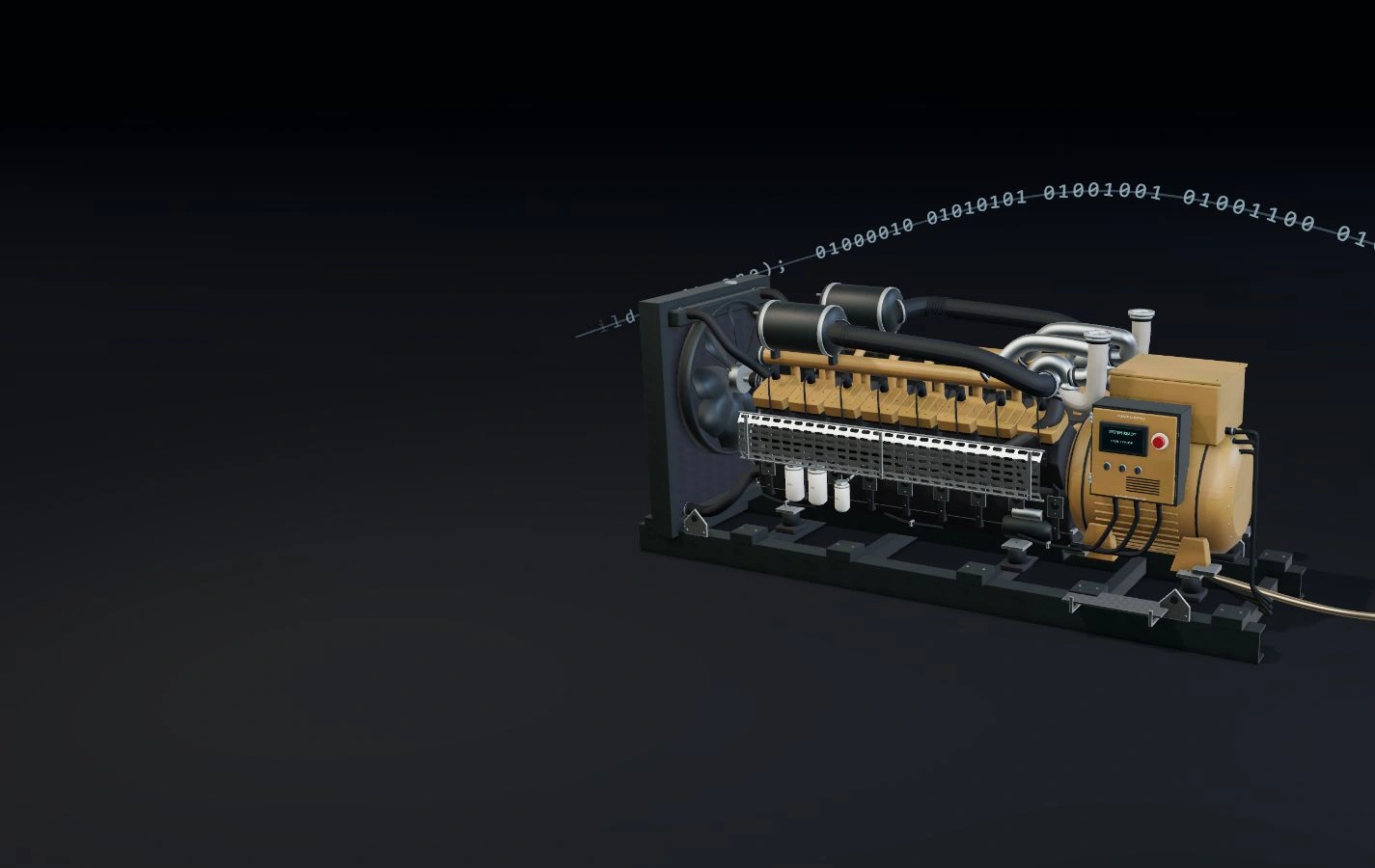
I assembled large LPSD engines and propane- and natural-gas Cat Generator Power Modules, working from blueprints and wiring diagrams through assembly and quality checks.

HOSHIZAKI / COMMERCIAL REFRIGERATION
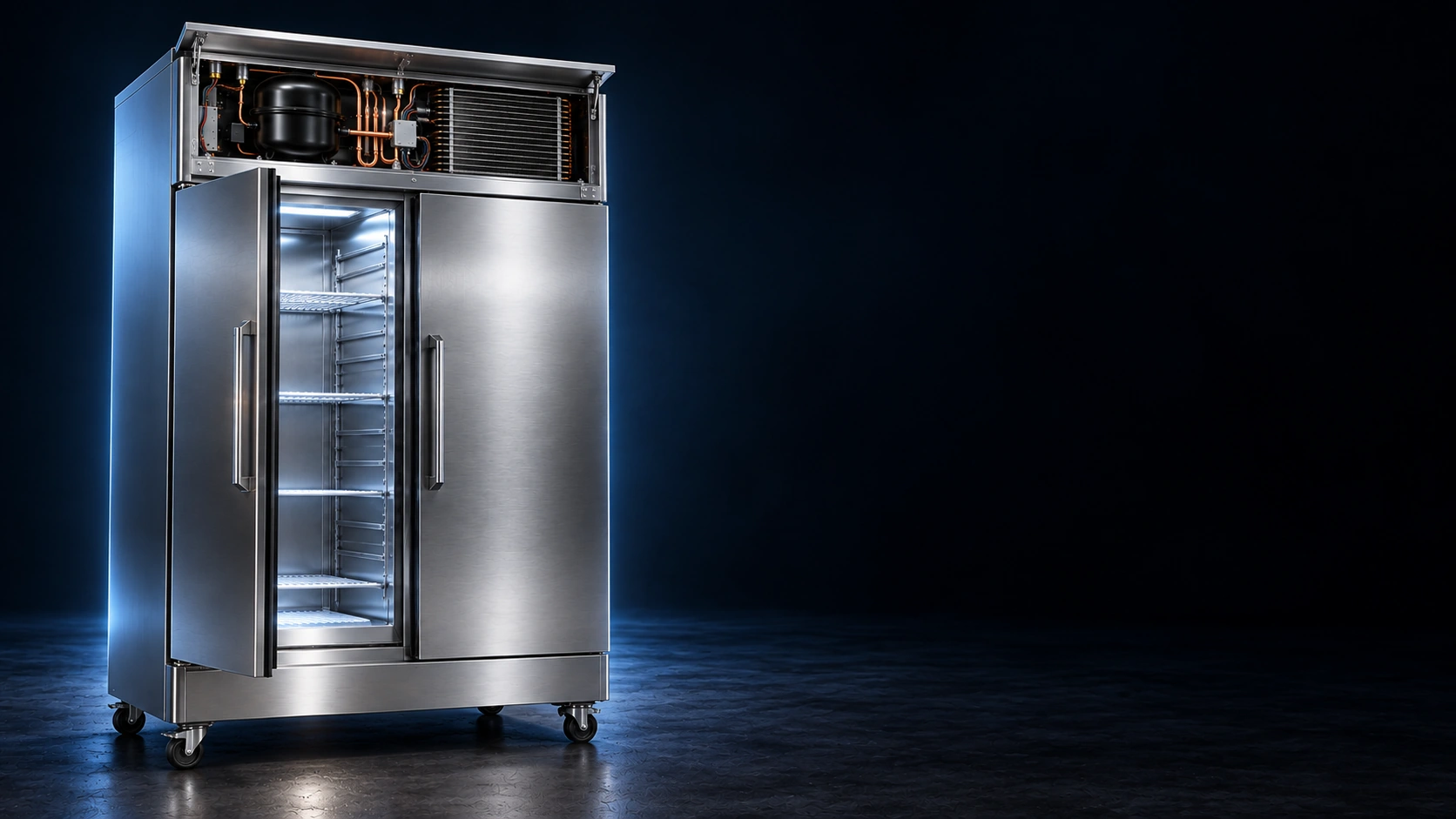
At Hoshizaki, I built commercial refrigerators and coordinated production, then independently managed worldwide field-unit returns, repair and final disposition. I developed repair procedures, resolved complex failures and supported production equipment reliability.

MATERIAL HANDLING / AERIAL LIFTS
I operated all types of forklifts, including clamp and slip-sheet trucks handling high-value product, plus scissor lifts and cherry pickers. Careful control mattered at every pickup, placement and handoff.

CRITICAL ENVIRONMENT SUPPORT
I support the Microsoft data center project with Insight Global as a CETM / Lead Critical Environment Technician, following my October 5, 2026 promotion. My work connects careful execution, clear documentation and dependable teamwork.

DETAILS / CONTEXT / FOLLOW-THROUGH
A detail matters because of what it connects to. Across manufacturing, repair, operations and software, I follow the problem through and keep the next person in mind.

SOFTWARE / GAMES / APPS / WEBSITES
I built software, games, apps and websites for years before AI-assisted development. Today, AI helps me extend that established practice.
Manufacturing, repair, logistics, data center operations and self-taught development and design inform how I approach a problem: understand what matters, work carefully and see it through.
Explore the physical side ↓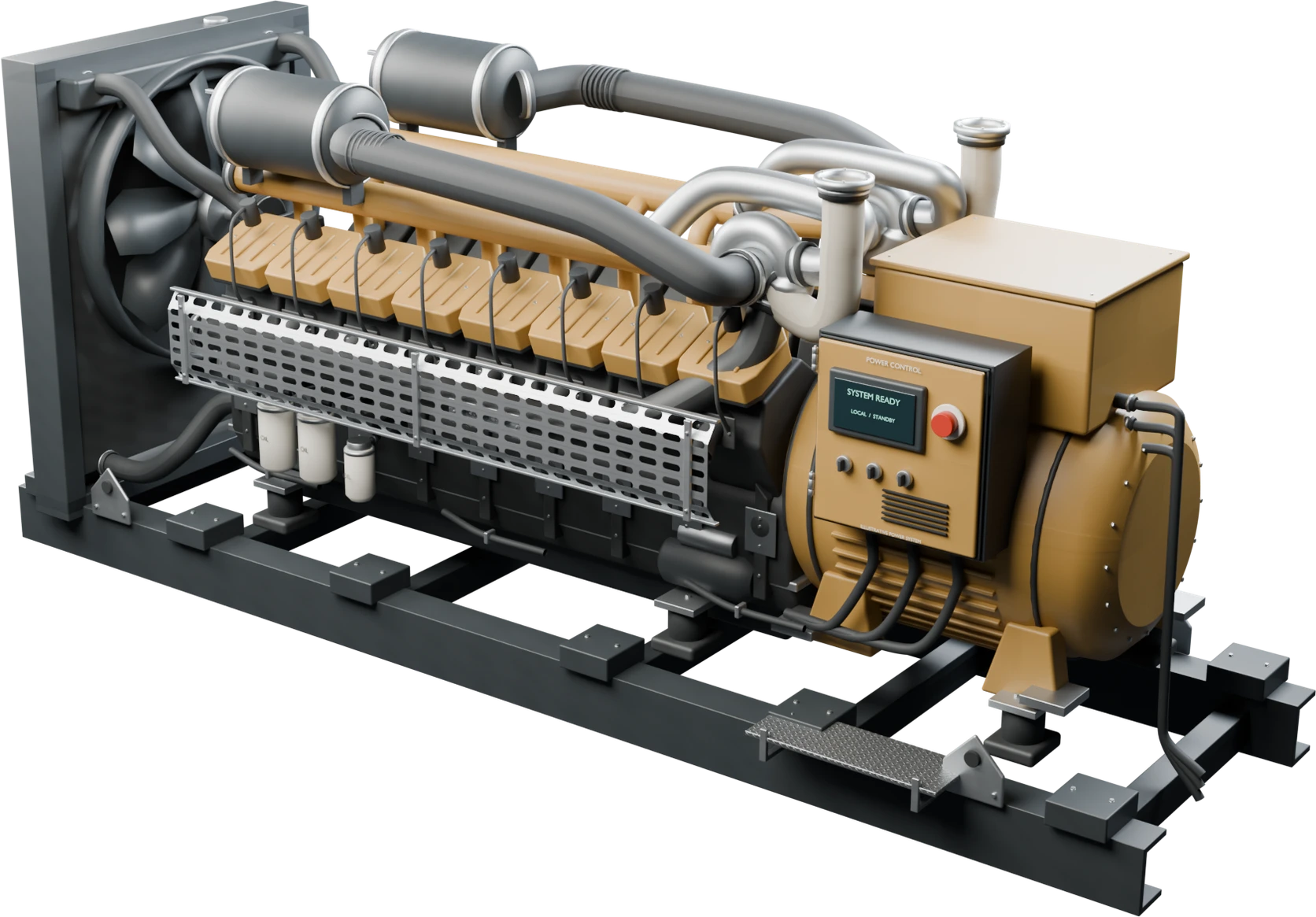
01 / LARGE-SCALE POWER
I learned to make a build legible: translate drawings into a sequence of checks, trace wiring and interfaces, and verify each assembly before it moves downstream.
02 / MANUFACTURING & REPAIR
I independently managed worldwide equipment returns from evaluation and root cause analysis through repair and final disposition. I created repair manuals for undocumented legacy equipment, sourced alternative hardware and connected failure findings with manufacturing improvements.
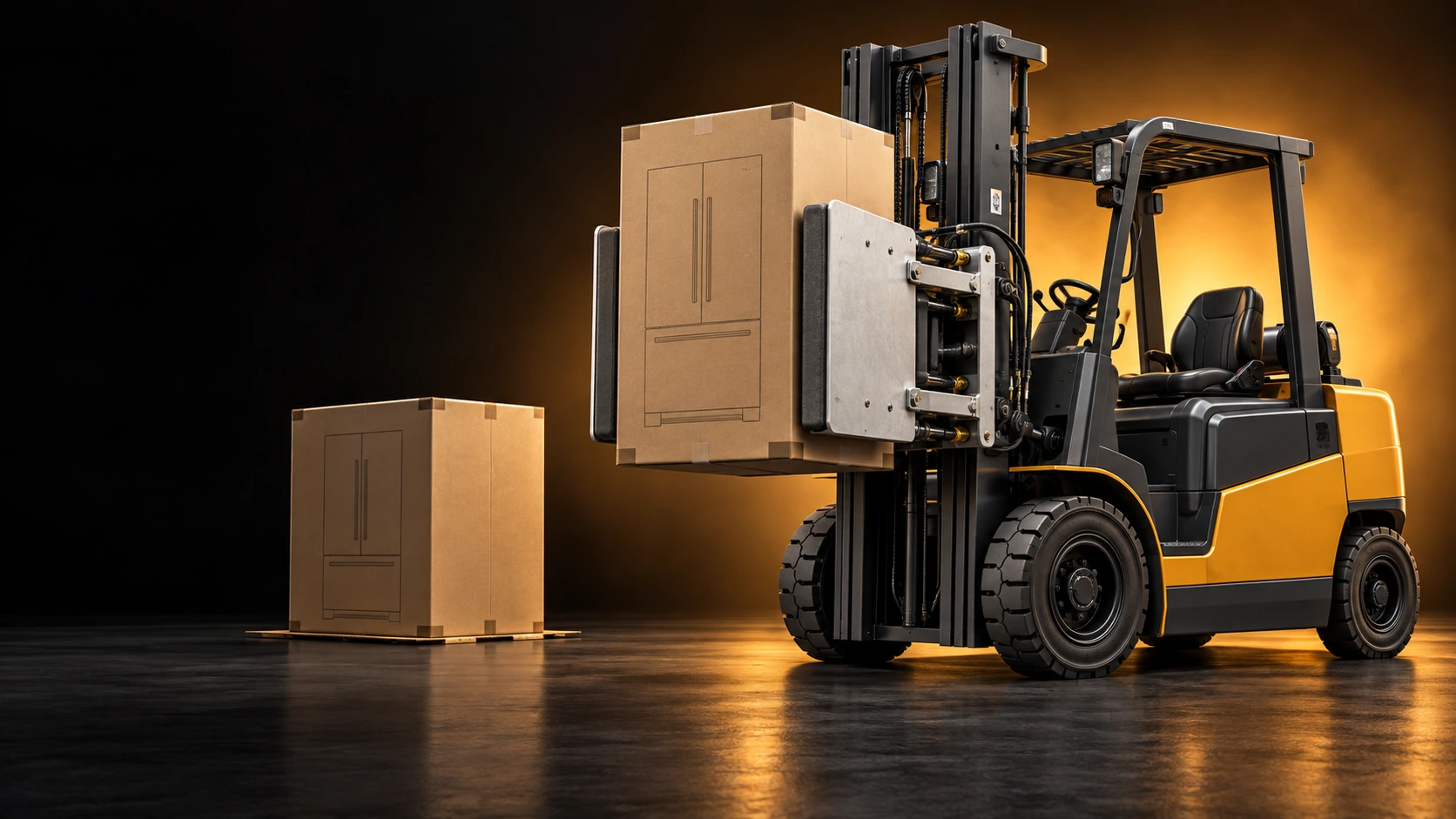
03 / SPECIALIZED MATERIAL HANDLING
Material handling is a systems discipline: choose the right truck or lift for the load, protect product at every transition, and leave inventory and handoff records another operator can trust.
04 / CRITICAL ENVIRONMENTS
I was promoted to CETM / Lead Critical Environment Technician with Insight Global on October 5, 2026, supporting the Microsoft data center project. My experience includes installing power whips and glycol smart hoses, routing power and cooling connections, and maintaining reporting, documentation and shift handoffs.
BUILDING SINCE 2010
Software. Games.
Apps. Websites.
Then AI accelerated it.
I started learning Photoshop in 2005 and coding in 2008. My independent practice began in July 2010 and spans software development, games, apps and websites. I handle product decisions, implementation, testing and delivery.
AI helps me prototype, implement and iterate faster. I make the product decisions, shape the architecture and verify the result.
Explore the Rack & Role case study ↓ Lovable Partner Program · Expert track
// The thread through every chapter.
const practice = [
  "software", "games",
  "apps", "websites"
]; // since 2010SOLE BUILDER & OPERATOR
Hiring infrastructure.
Built from the work up.
I designed, built and operated a hiring and career platform spanning AI, software engineering, electrical, mechanical, plumbing and other skilled trades. It began with data center hiring and expanded across these fields. My work covered candidate and employer experiences, data pipelines, AI workflows, permissions and operating tools.
Corpus, taxonomy and architecture snapshots reported in the public technical case study. Read the evidence and scope ↓
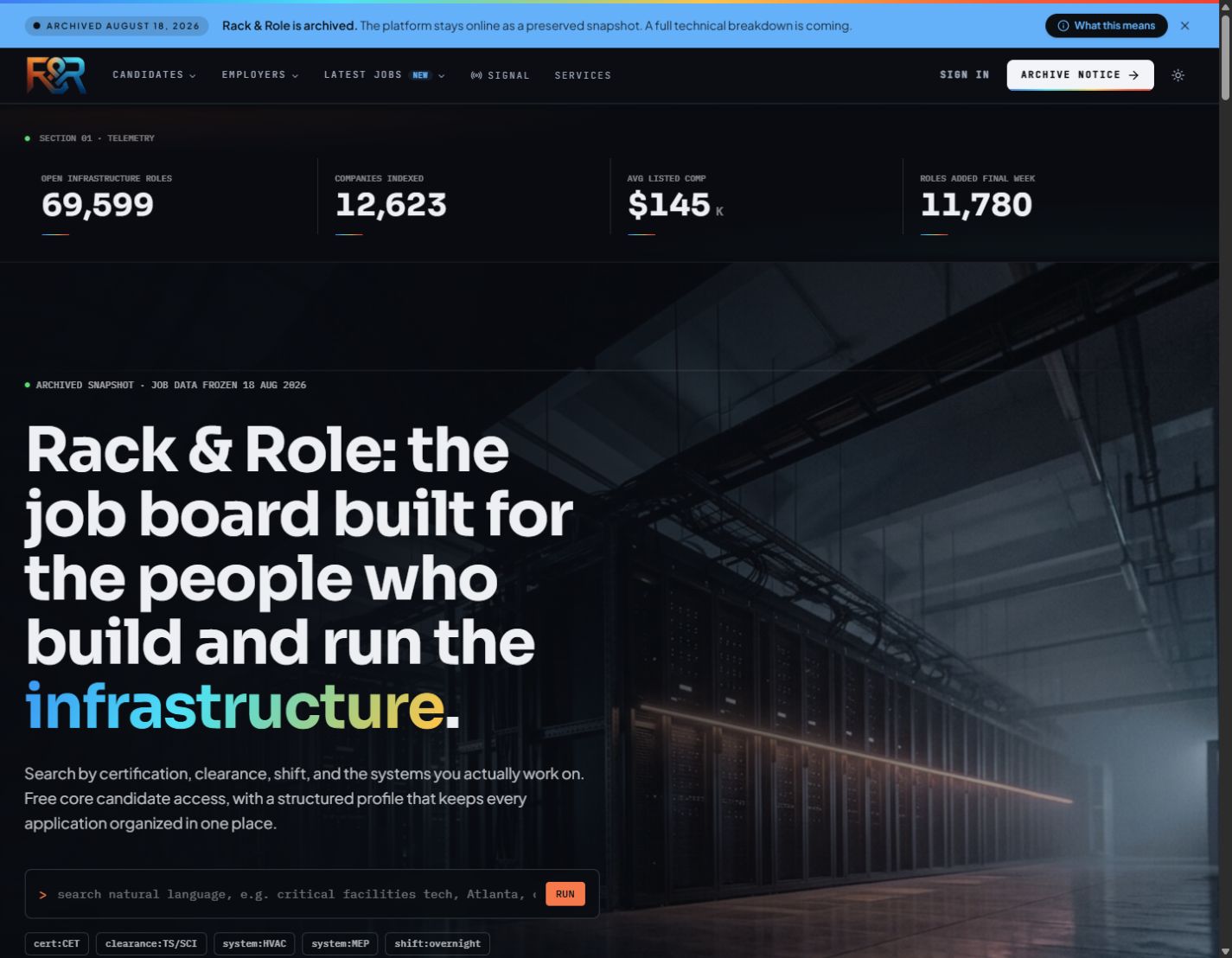
Technical hiring depends on the work beneath the title: systems, skills, certifications, location and experience. I built a shared evidence model that connected job discovery to matching, career tools and hiring decisions.
The candidate workspace connected profiles, saved jobs, resume tools and application tracking. The employer side covered postings, applicant review, interviews, offers and onboarding.
INSIDE THE ENGINEERING
Explore the decisions behind the product. These diagrams explain the built architecture; they are not live tools or production telemetry.
Measure inserted yield. Adjust the next run.
Per-source state · bounded query windows · exploration preserved
Source adapters converged on one validation contract. Raw payloads remained separate from canonical fields, so improving a normalizer did not erase the original evidence.
Keyword rotation used persisted state, source locks and actual inserted counts. High-yield terms received bounded priority while exploration protected coverage.
Mechanical & electrical evidence
Server & network evidence
Role-family distinctions remain intact before skills, requirements and preferences are compared.
The taxonomy mapped inconsistent employer vocabulary while protecting roles that should remain separate. Explicit, extracted and inferred signals carried different evidence quality.
Matching combined role compatibility, required qualifications, skills, seniority, location and candidate preferences. Guardrails, fixtures and comparison checks supported consistent scoring across the product.
Unsupported claims · numerical conflicts · identity or certification mismatches
Pass one extracted a structured fact ledger. Pass two tailored the resume against that ledger and the target role, with checks for unsupported claims and inconsistencies.
The same discipline extended to cover letters, interview preparation, skills-gap analysis and enrichment: narrow model responsibilities, structured outputs and explicit retry or manual paths.
Profile → discovery → career tools → application state
Posting → review → interview → offer → onboarding
Source health → quarantine → recovery → verification
Employer workflows brought ownership, review states, billing and access rules. Operator tools exposed ingestion runs, source health, quarantine, recovery and audit history.
Application automation evolved through browser-based experiments. The final design shifted toward Manual Assist and External Handoff, retaining capability checks, immutable snapshots, idempotent runs and an event trail.
NINE MONTHS OF ENGINEERING
The architecture changed as real data and operating constraints exposed what needed to improve.
Connect the product. Candidate, employer and admin experiences; authentication and early AI workflows.
Separate the domains. Feature boundaries, ingestion workers, billing and application automation.
Share the evidence. Career Studio, matching, taxonomy, learning, privacy and hiring workflows.
Improve the operating model. Enrichment, adaptive acquisition, telemetry and application transport redesign.
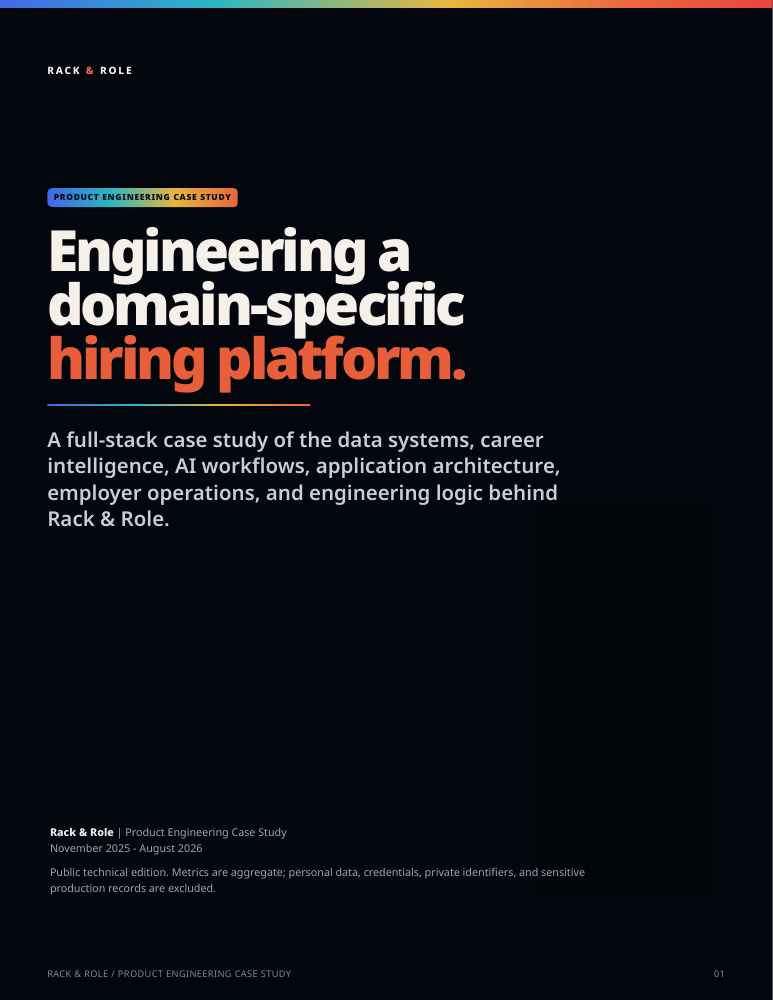
The public technical edition: 20 pages covering the product, architecture, data and operating decisions.
This account draws on the supplied Rack & Role: Product Engineering Case Study, public technical edition, covering November 2025–August 2026, and the preserved public interface captured September 12, 2026.
The case study reports 73,409 aggregate job rows, 69,640 active quality-cleared jobs and 13,827 distinct companies in its final aggregate snapshot. Companies represented in the data are not a customer count. Its mature taxonomy contains 108 canonical roles, 280 aliases and 1,646 anti-merge rules; its architecture inventory lists 212 tables/views and 93 Edge Function source units.
The public-interface capture shows a separate count of 69,599 roles. The case study does not reconcile that difference or give its aggregate snapshot an exact day, so the figures are kept separate here. Earlier lifetime ingestion totals are not combined with the final corpus.
Feature descriptions preserve implemented capabilities, experiments and the final design direction. Application automation is not presented as universally reliable. Product delivery and technical scale do not establish revenue, customer adoption or business success.
Historical technology families: React · TypeScript · PostgreSQL / Supabase · Edge Functions · Zod · Stripe · Vitest · Playwright · Browserbase / Stagehand
Employed roles and independent practice.
Different settings, connected experience.
Contract via Insight Global
August 2025—Present
November 2024—July 2025
December 2023—October 2024
February 2023—September 2023
Founder
August 2021—April 2022
Team Lead Coordinator · July 2015—January 2020
Lead RMA & Repair Technician · January 2020—June 2021
Contract via Impact Staffing
July 2013—January 2015
Contract via Impact Staffing
April 2012—January 2013
Freelance
July 2010—Present
A career has more than one perspective. Explore the skills, review the training, or choose the resume that fits the conversation.
Seven connected areas, from electrical and mechanical systems to software, AI, design and data.
02 / LEARNING & TRAININGCertificate images, credential IDs and issuer links, with course completion and employer training clearly identified.
03 / THE CAREER IN FOCUSFull, AI Systems, Critical Environment or Operations. Designed and ATS formats, text downloads and browser printing.
CONTINUING TO BUILD RANGE
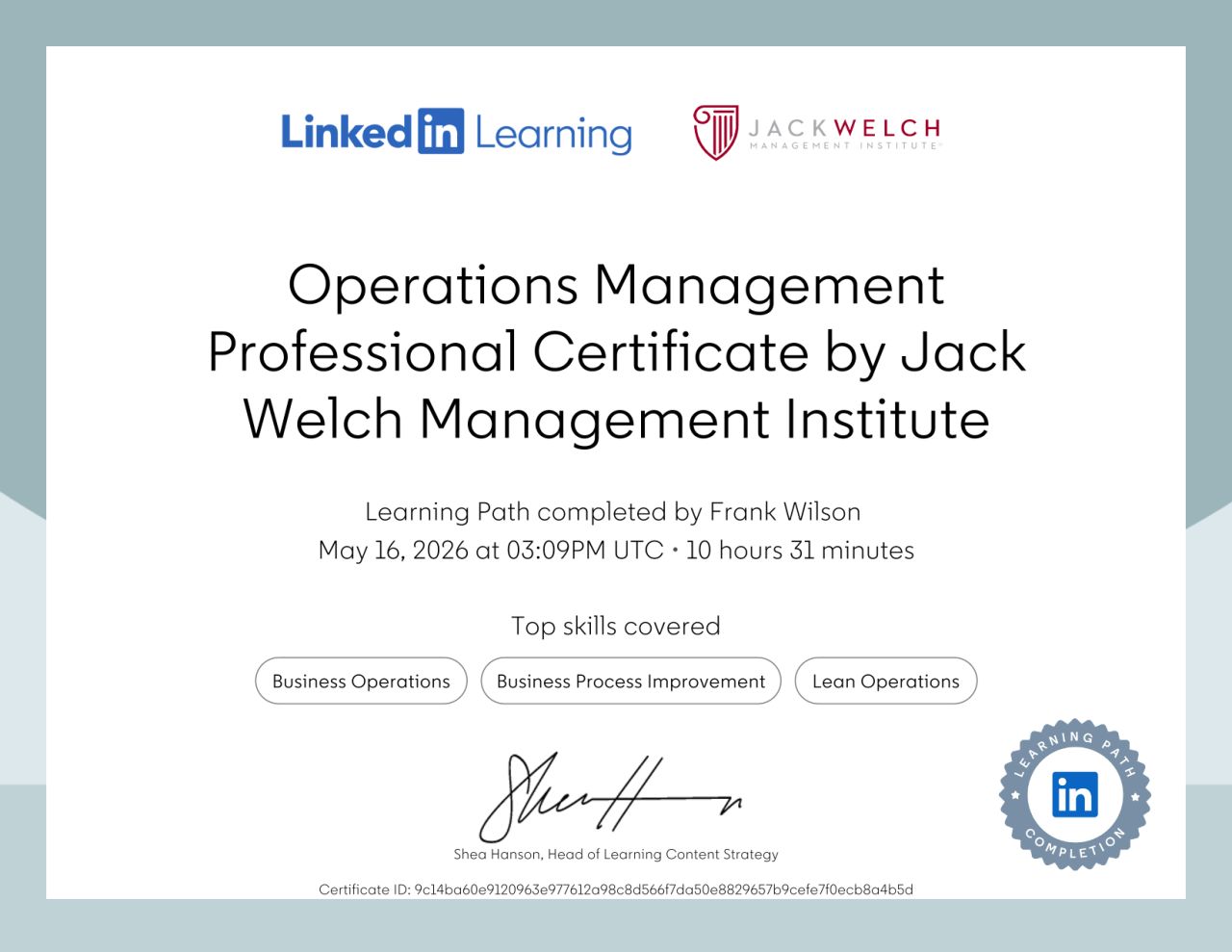
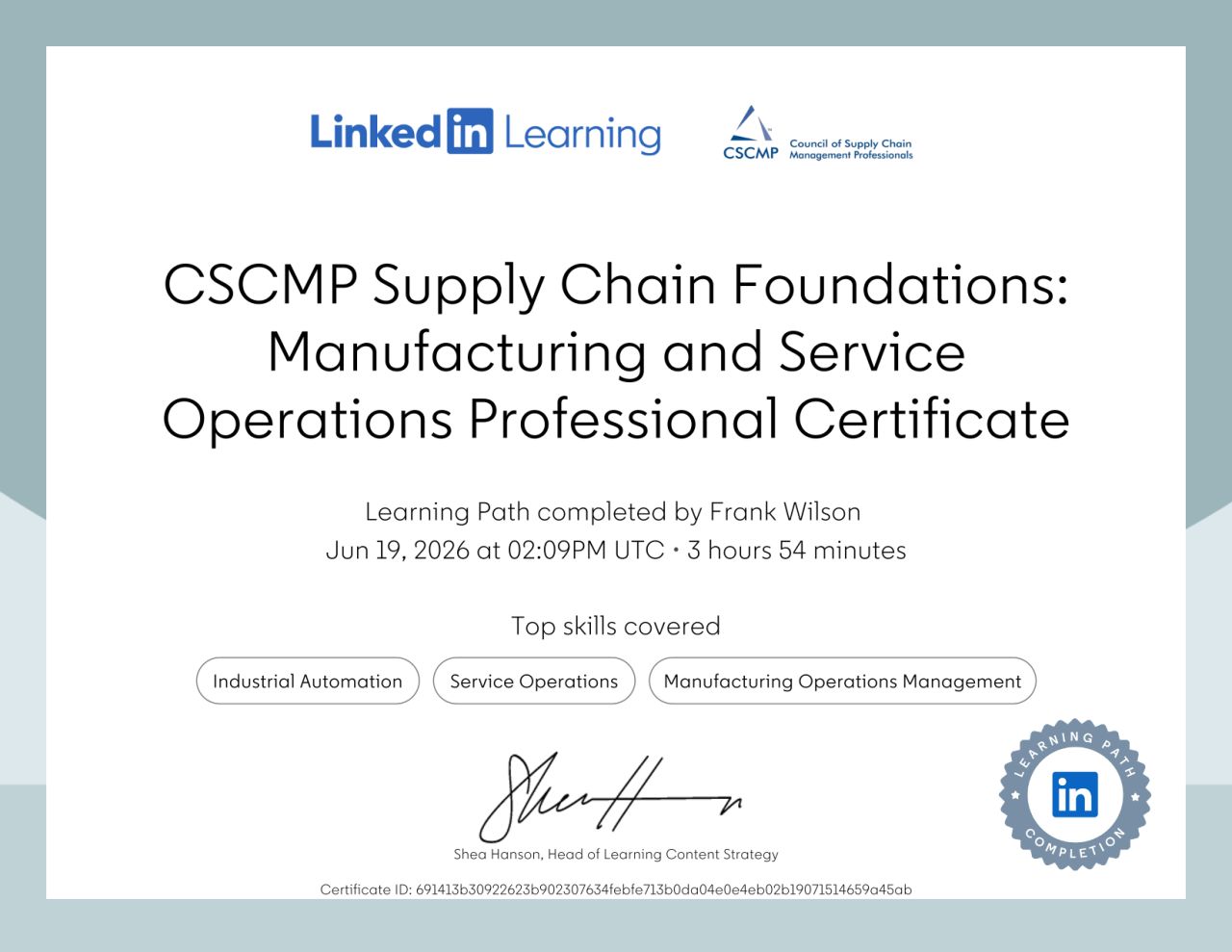
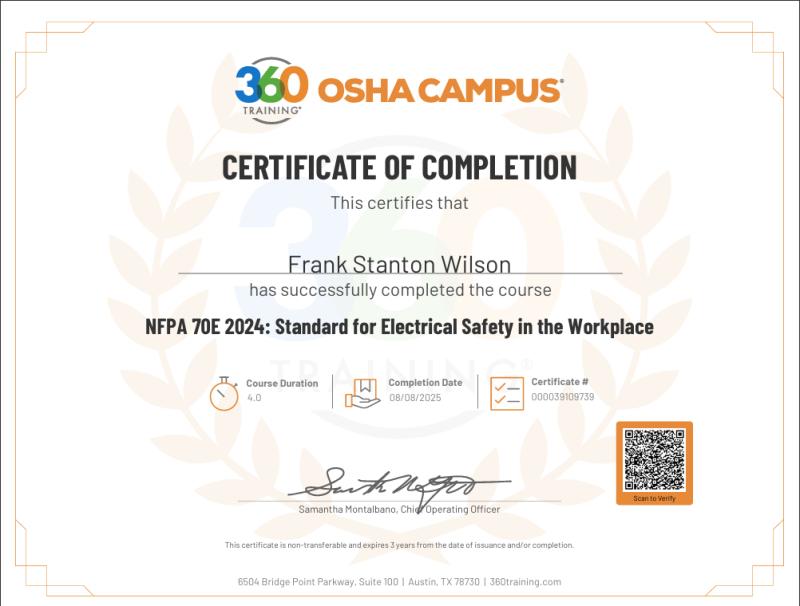
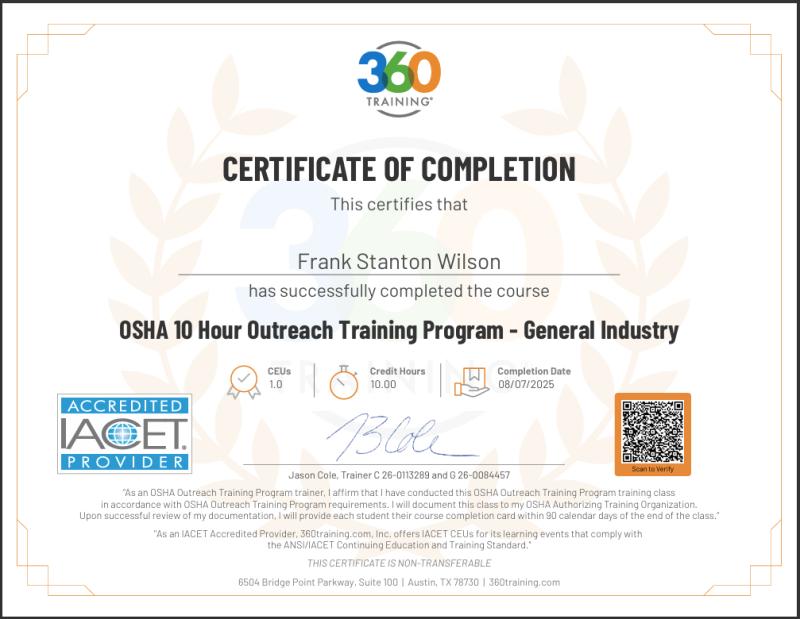
Professional learning across operations, manufacturing, electrical safety and technology.
Explore all 28 recordsHave a project in mind, a role to discuss or a question about my work? Start here.